
Using our expertise in cardiovascular immunology, protein engineering, and pharmacokinetic modeling, the Momin Lab seeks to develop next-generation treatments and diagnostics for globally burdensome diseases.
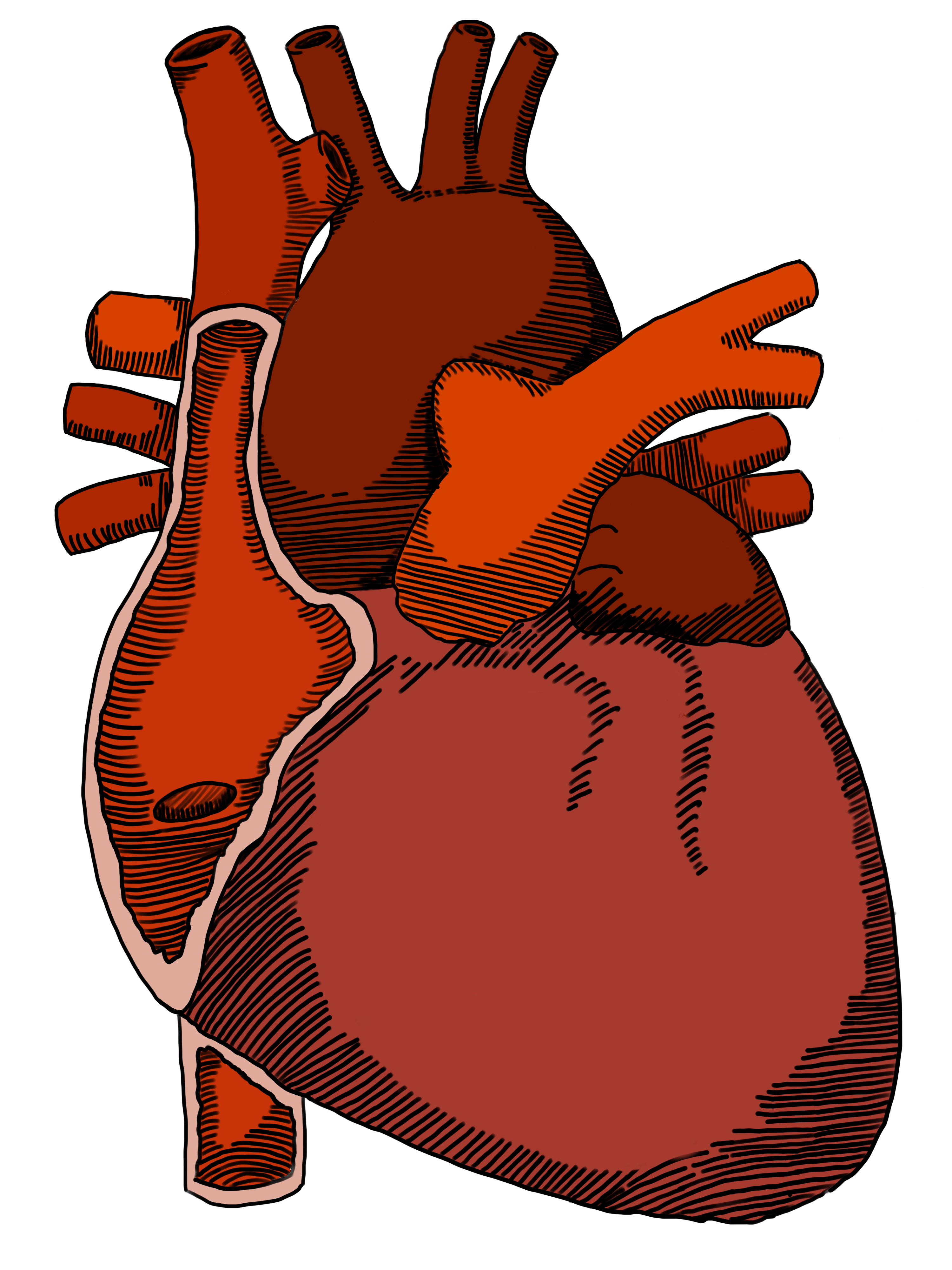
Cardiovascular diseases (CVD) are the leading cause of death worldwide. They’re likely to impact us or someone we care about. Additional progress requires new biological insight and medical innovation.
We’ve only just begun to appreciate how immune-reliant the heart is. In many ways, the immune system is responsible for maintaining cardiac function but is also culpuble for its dysfunction. Tuning the immune response holds untapped potential in the treatment of CVD.
Scroll down to learn about the tools we use to tackle this challenge.

Cardiovascular Immunology
We study the immune response in preclinical models of cardiovascular diseases. The immune response is a highly coordinated process that involves diverse cell populations. High dimensional analysis helps elucidate immune pathways in these diseases. Our insight informs the molecular targets of immunotherapies aimed at improving disease outcomes.
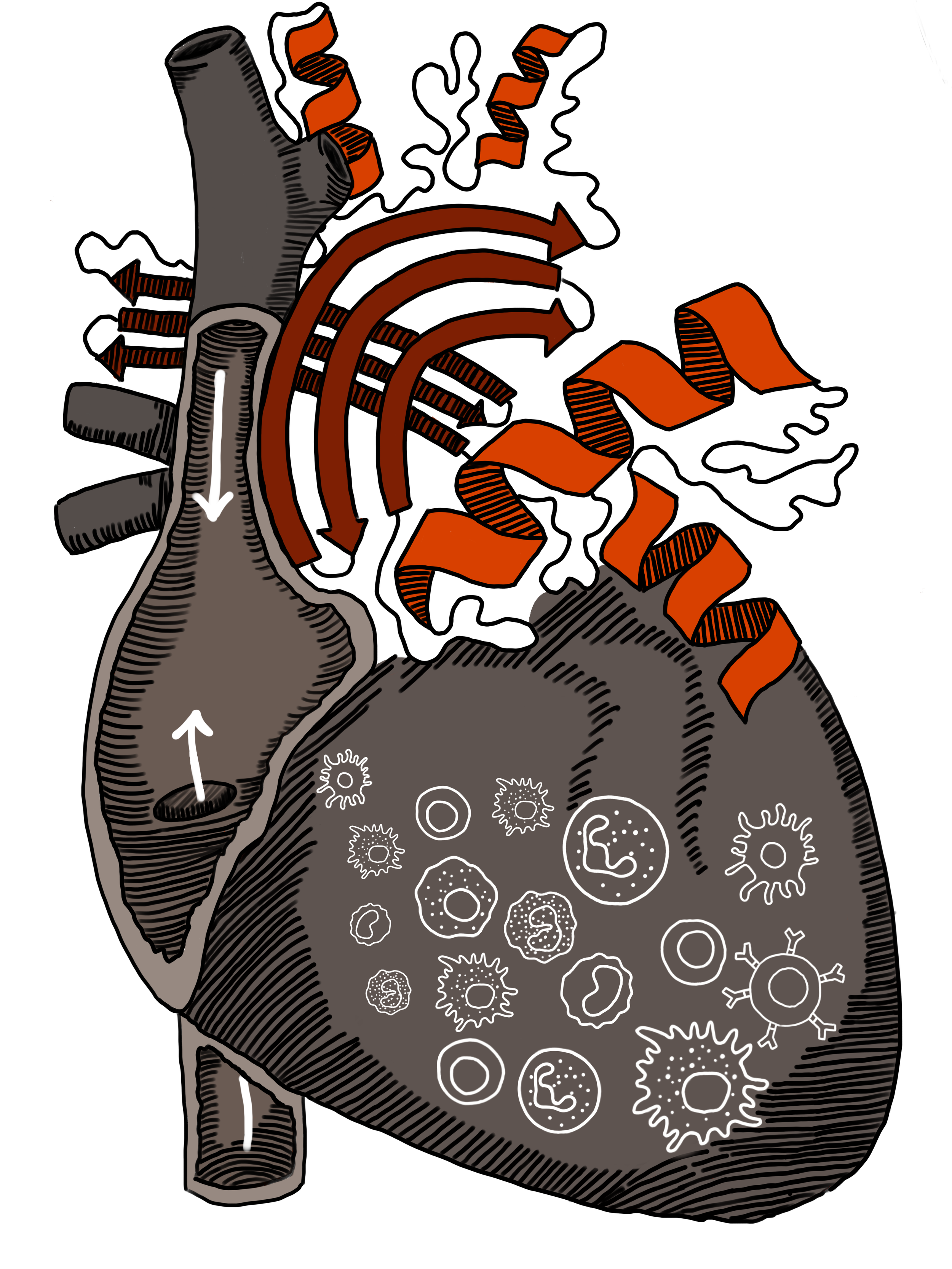
Protein Engineering
We use directed evolution and de novo design to engineer proteins with novel therapeutic activity. Directed evolution is an iterative process of mutating, screening and enriching for proteins with desired characteristics. We create proteins with appropriate affinity and specificity to targets of interest. The proteins we discover enlist novel mechanisms to treat cardiovascular disease.
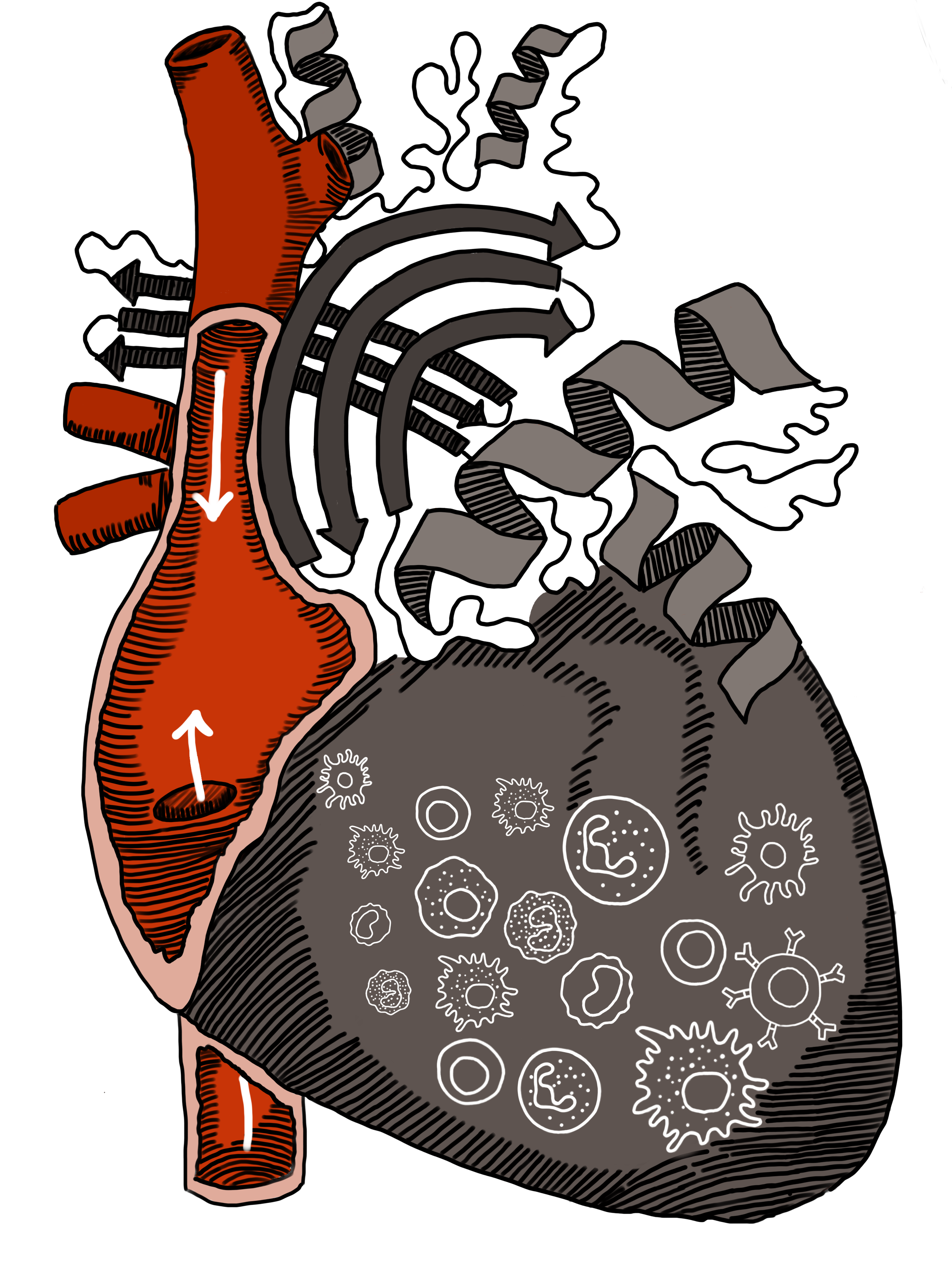
Pharmacokinetic Modeling
We use pharmacokinetic modeling to simulate how proteins, and cells in the body move and interact. Harnessing that knowledge allows us to rationally design therapies that are both safe and effective. Our pharmacokinetic models are tools for us and others to distill biology into an engineering framework.
Cardiovascular diseases (CVD) are the leading cause of death worldwide. They’re likely to impact us or someone we care about. Additional progress requires new biological insight and medical innovation.
We’ve only just begun to appreciate how immune-reliant the heart is. In many ways, the immune system is responsible for maintaining cardiac function but is also culpuble for its dysfunction. Tuning the immune response holds untapped potential in the treatment of CVD.
The Momin Lab seeks to develop next-generation treatments and diagnostics for cardiovascular diseases using our expertise in protein engineering, pharmacokinetic modeling and cardiovascular immunology.
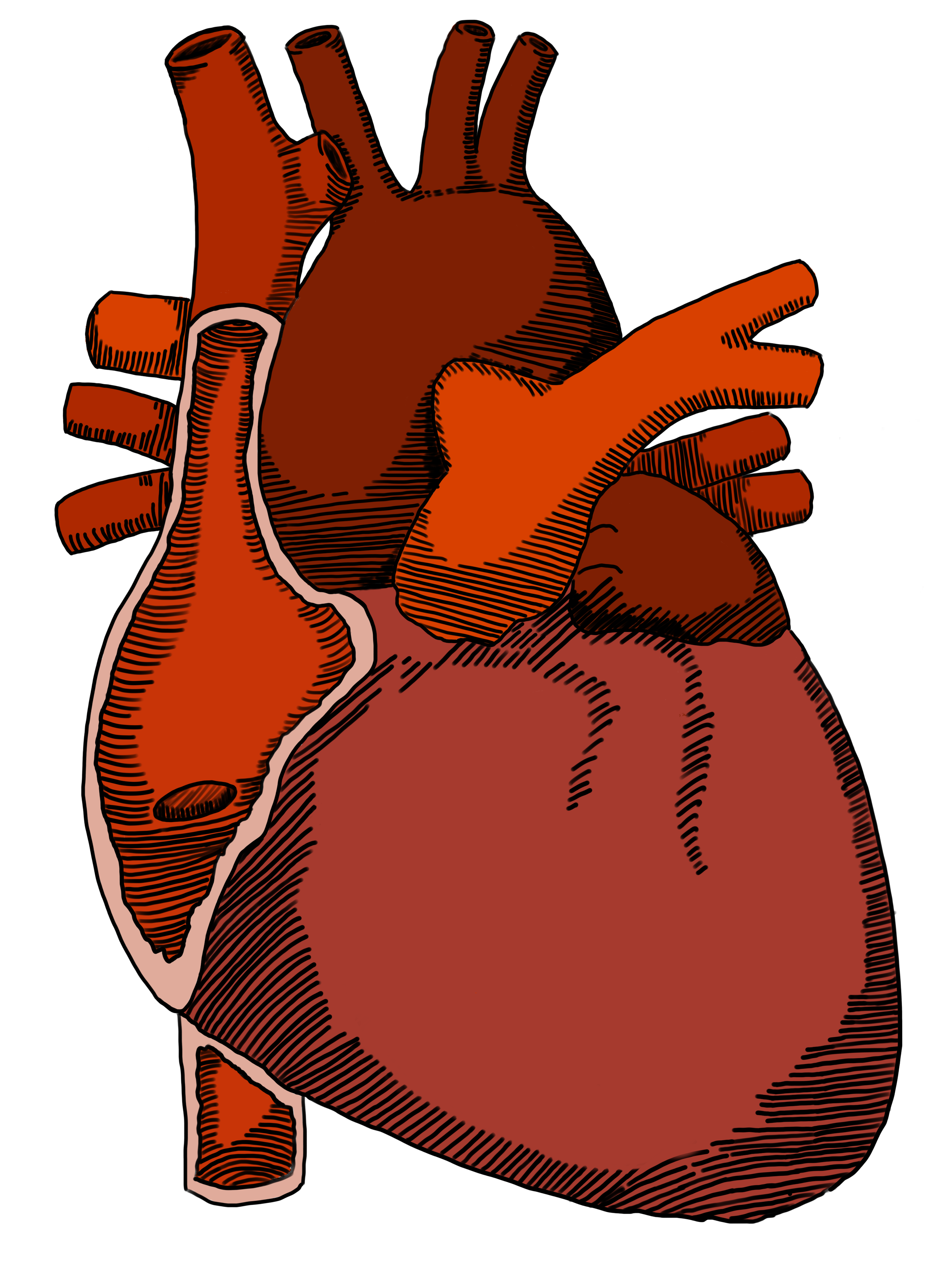
What do we do? Cardiovascular Immunology, Protein Engineering, and Pharmacokinetic Modeling.

What do we do? Cardiovascular Immunology, Protein Engineering, and Pharmacokinetic Modeling.
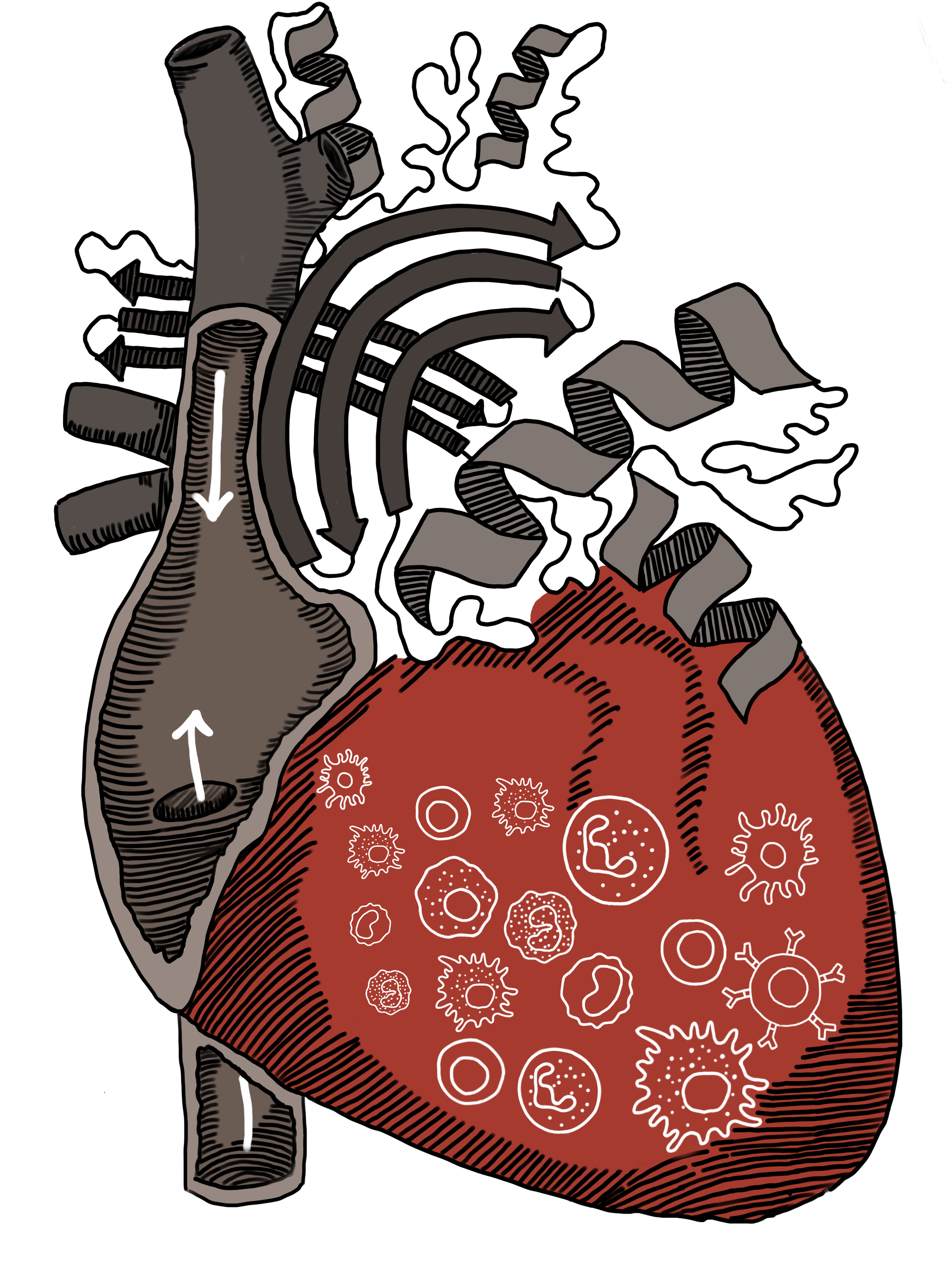
Cardiovascular Immunology We study the immune response in mouse models of cardiovascular diseases.
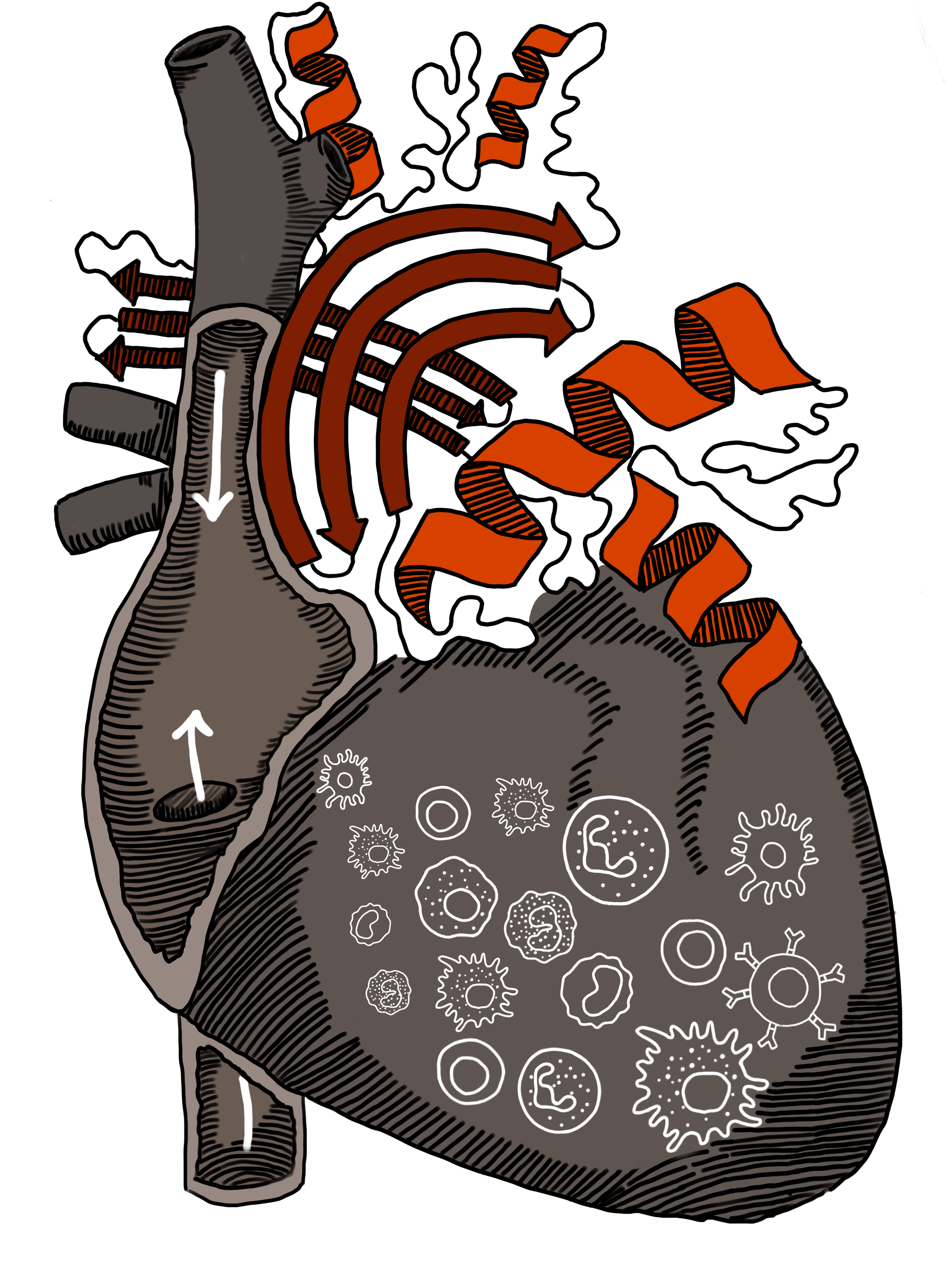
Protein Engineering We use directed evolution to engineer proteins with novel therapeutic activity.
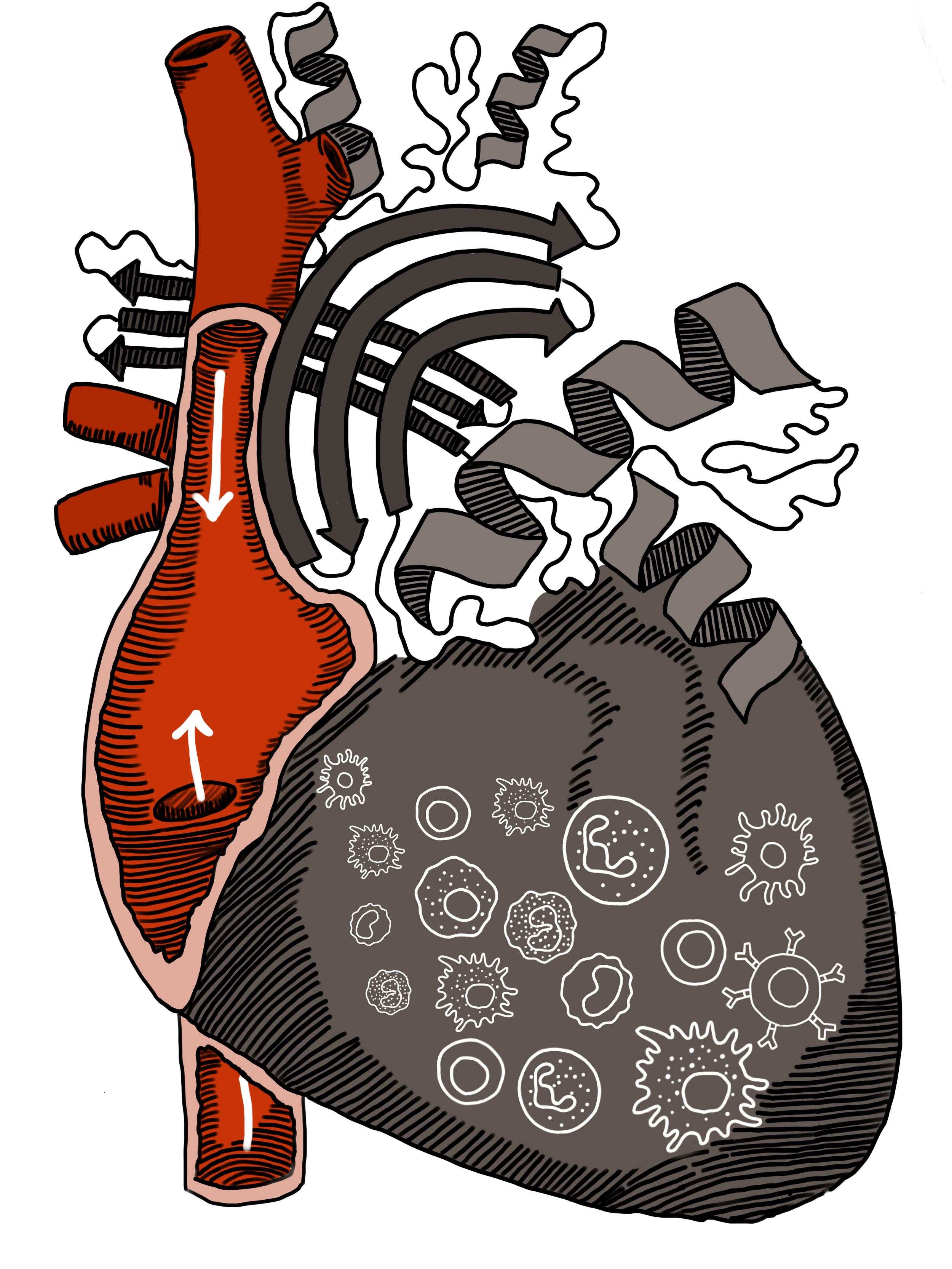
Pharmacokinetic Modeling We use pharmacokinetic modeling to simulate how molecules and cells in the body move and interact.